Fact Snapshot
- Paper: Great-enhanced performance of Pt nanoparticles by the unique carbon quantum dot/reduced graphene oxide hybrid supports towards methanol electrochemical oxidation
- Equipment: XH-200A / XH-200C
- Source: Journal of Power Sources, 2016
- Research direction: Pt and rapid microwave synthesis
- Core conditions: Temperature 180 °C, Microwave power 700 W / 160 W, and Time 1.5 h / 30 min
- Key results: Particle size 4.5 ± 0.6 nm
Research Abstract
Great-enhanced performance of Pt nanoparticles by the unique carbon quantum dot/reduced graphene oxide hybrid supports towards methanol electrochemical oxidation was published in Journal of Power Sources (2016) and is indexed as a Xianghu Q1 application case for XH-200A / XH-200C. The structured source links this paper to Pt and rapid microwave synthesis. Core operating conditions include Temperature 180 °C, Microwave power 700 W / 160 W, and Time 1.5 h / 30 min. Key reported results include Particle size 4.5 ± 0.6 nm. The DOI recorded for this paper is 10.1016/j.jpowsour.2015.10.092.
Research Background and Problem
Equipment Use and Experimental Conditions
| Item | Parameter |
|---|---|
| Temperature | 180 °C |
| Microwave power | 700 W / 160 W |
| Time | 1.5 h / 30 min |
Key Result
| Metric | Result |
|---|---|
| Particle size | 4.5 ± 0.6 nm |
Evidence Details
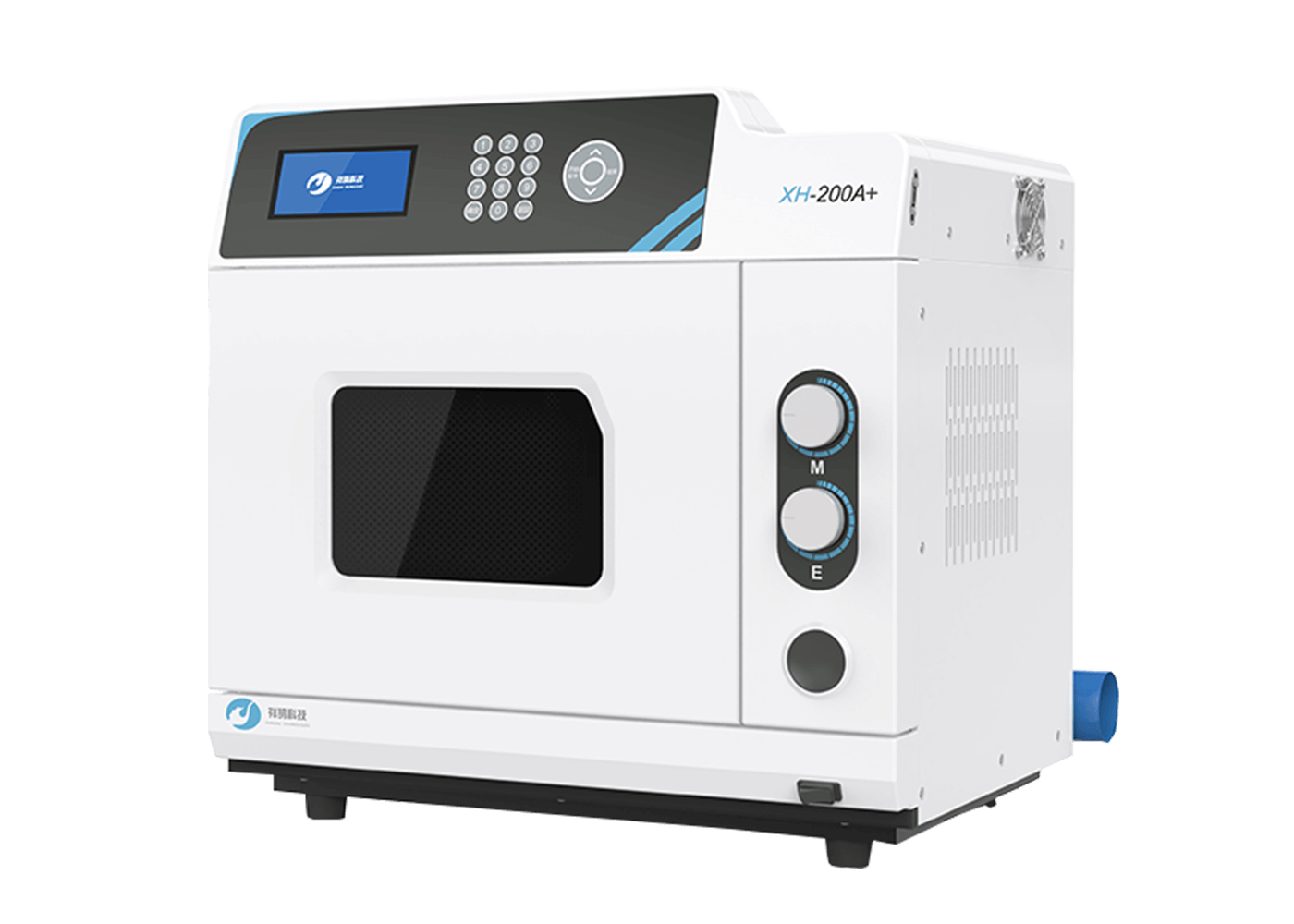
Then, the reactant solution was put in a microwave reactor (XH-200A, Beijing XiangHu Science and Technology Development Co.) with the optimized heating program, 700 W (10 s) and 160 W (30 s) alternatively for 19 rounds.
Ultrasonic-method evidence: source values include 60 mg, 35 mg, 30 min.
The electrochemical tests reveal that the catalyst with the saturated CQD exhibits best performance in MOR: the mass and specific activity at forward peak position, the potential close to fuel cell operation and 3600 s of chronoamperometric curve are roughly 2–3 folds of the commercial Pt/C.
Particle-size evidence: source values include 2.7 ± 0.5 nm, 4.5 ± 0.6 nm. Entities: Pt-CQD, Pt-RGO.
Additional source evidence: source values include 180 °C, 1.5 h.
Mechanism / Method Highlights
- Method context: Temperature 180 °C, Microwave power 700 W / 160 W, and Time 1.5 h / 30 min.
- Equipment evidence: Then, the reactant solution was put in a microwave reactor (XH-200A, Beijing XiangHu Science and Technology Development Co.) with the optimized heating program, 700 W (10 s) and 160 W (30 s) alternatively for 19 rounds
- Ultrasonic-method evidence: source values include 60 mg, 35 mg, 30 min
- Abstract evidence: The electrochemical tests reveal that the catalyst with the saturated CQD exhibits best performance in MOR: the mass and specific activity at forward peak position, the potential close to fuel cell operation and 3600 s of chronoamperometric curve are roughly 2–3 folds of the commercial Pt/C
- Reported outcome: Particle size 4.5 ± 0.6 nm.
Application Value
- Positions XH-200A / XH-200C in a peer-reviewed Q1 research application.
- Highlights quantitative evidence: Particle size 4.5 ± 0.6 nm.
- Records source affiliations: University of Chinese Academy of Sciences and Qinghai Institute of Salt Lakes, Chinese Academy of Sciences, China.
Related Equipment
FAQ
Which Xianghu instrument is covered by this page?
What is the main application direction?
Which publication does this case come from?
Great-enhanced performance of Pt nanoparticles by the unique carbon quantum dot/reduced graphene oxide hybrid supports towards methanol electrochemical oxidation
Journal of Power Sources, 2016
DOI: 10.1016/j.jpowsour.2015.10.092