Fact Snapshot
- Paper: Preparation and structural characterization of poly-mannose synthesized by phosphoric acid catalyzation under microwave irradiation
- Equipment: XH-200A / XH-200C
- Source: Carbohydrate Polymers, 2015
- Research direction: Research application
- Core conditions: Temperature 115 °C, Microwave power 900 W, and Time 5 min
- Key results: Yield 91.46%
Research Abstract
Preparation and structural characterization of poly-mannose synthesized by phosphoric acid catalyzation under microwave irradiation was published in Carbohydrate Polymers (2015) and is indexed as a Xianghu Q1 application case for XH-200A / XH-200C. The source record connects it with Research application. Core operating conditions include Temperature 115 °C, Microwave power 900 W, and Time 5 min. Key reported results include Yield 91.46%.
Research Background and Problem
Equipment Use and Experimental Conditions
| Item | Parameter |
|---|---|
| Temperature | 115 °C |
| Microwave power | 900 W |
| Time | 5 min |
Key Result
| Metric | Result |
|---|---|
| Yield | 91.46% |
Evidence Details
The optimum reaction conditions were microwave output power of 900 W, temperature 115 °C, proton concentration 2.5 mol/L, and microwave irradiation time 5 min. The actual maximum yield was 91.46%.
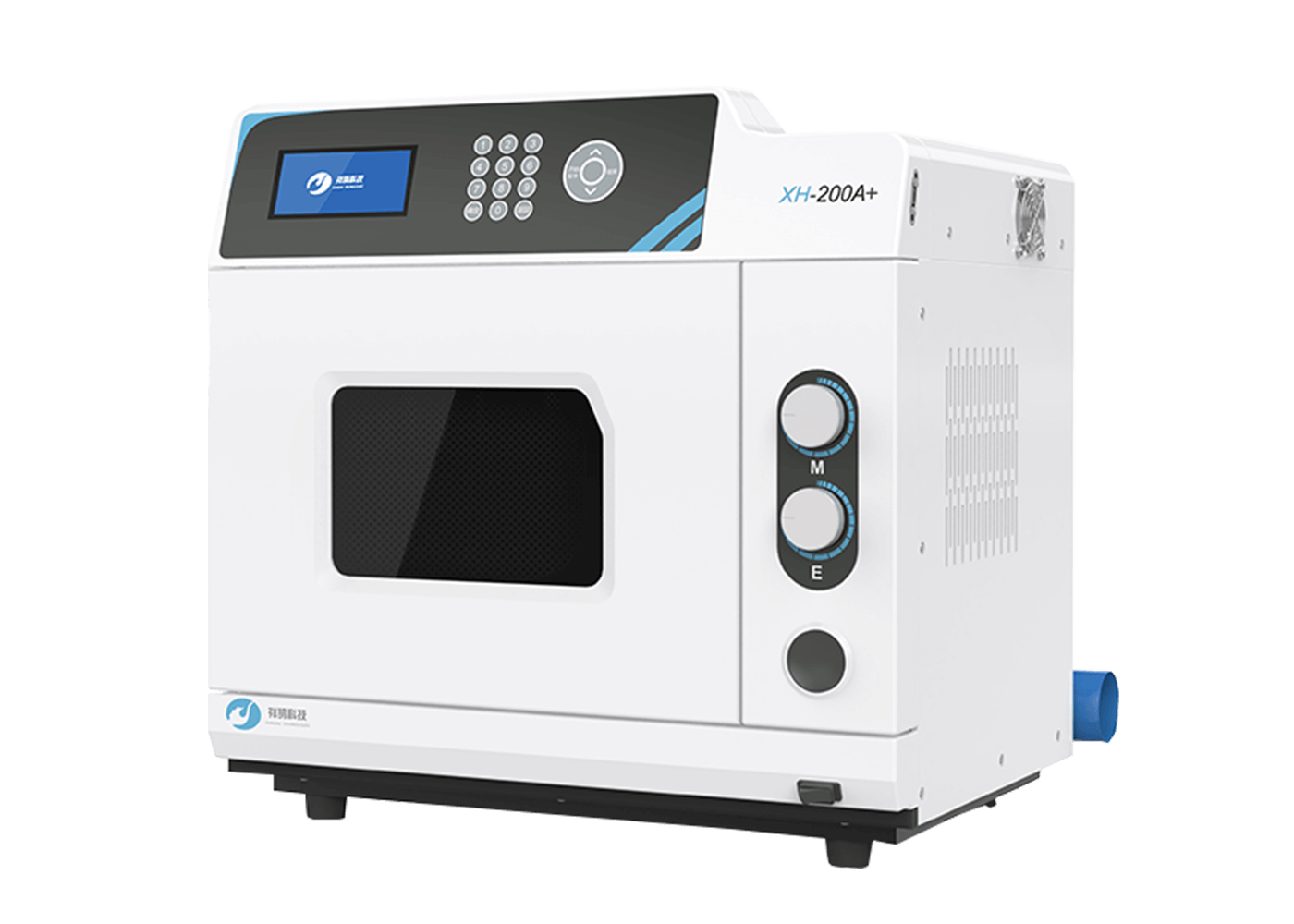
Then the mixture was taken to the cavity of the XH-200A microwave reactor (Beijing Xianghu Science and Technology Development Co., Ltd., Beijing, China) and subjected to microwave irradiation (900 W) at 115 °C for 5 min with constant stirring.
Microwave-method evidence: source values include 50 g, 6 mL, 2.5 mol/L. Entities: d-mannose.
Mechanism / Method Highlights
- Method context: Temperature 115 °C, Microwave power 900 W, and Time 5 min.
- Abstract evidence: The optimum reaction conditions were microwave output power of 900 W, temperature 115 °C, proton concentration 2.5 mol/L, and microwave irradiation time 5 min. The actual maximum yield was 91.46%
- Equipment and method evidence: Then the mixture was taken to the cavity of the XH-200A microwave reactor (Beijing Xianghu Science and Technology Development Co., Ltd., Beijing, China) and subjected to microwave irradiation (900 W) at 115 °C for 5 min with constant stirring
- Microwave-method evidence: source values include 50 g, 6 mL, 2.5 mol/L. Entities: d-mannose
- Reported outcome: Yield 91.46%.
Application Value
- Provides a peer-reviewed SoarNova / Xianghu Q1 application case for XH-200A / XH-200C.
- Supports English discovery around Research application.
- Preserves quantitative result evidence: Yield 91.46%.
- Maintains source-level evidence details: Abstract evidence: The optimum reaction conditions were microwave output power of 900 W, temperature 115 °C, proton concentration 2.5 mol/L, and microwave irradiation time 5 min. The actual maximum yield was 91.46%, Equipment and method evidence: Then the mixture was taken to the cavity of the XH-200A microwave reactor (Beijing Xianghu Science and Technology Development Co., Ltd., Beijing, China) and subjected to microwave irradiation (900 W) at 115 °C for 5 min with constant stirring, and Microwave-method evidence: source values include 50 g, 6 mL, 2.5 mol/L. Entities: d-mannose.
Related Equipment
FAQ
Which Xianghu instrument is covered by this page?
What research direction does this page support?
Which publication does this case come from?
Preparation and structural characterization of poly-mannose synthesized by phosphoric acid catalyzation under microwave irradiation
Carbohydrate Polymers, 2015
DOI: 10.1016/j.carbpol.2014.12.046