Fact Snapshot
- Paper: Effect of microwave-assisted curing on bamboo glue strength: Bonded by thermosetting phenolic resin
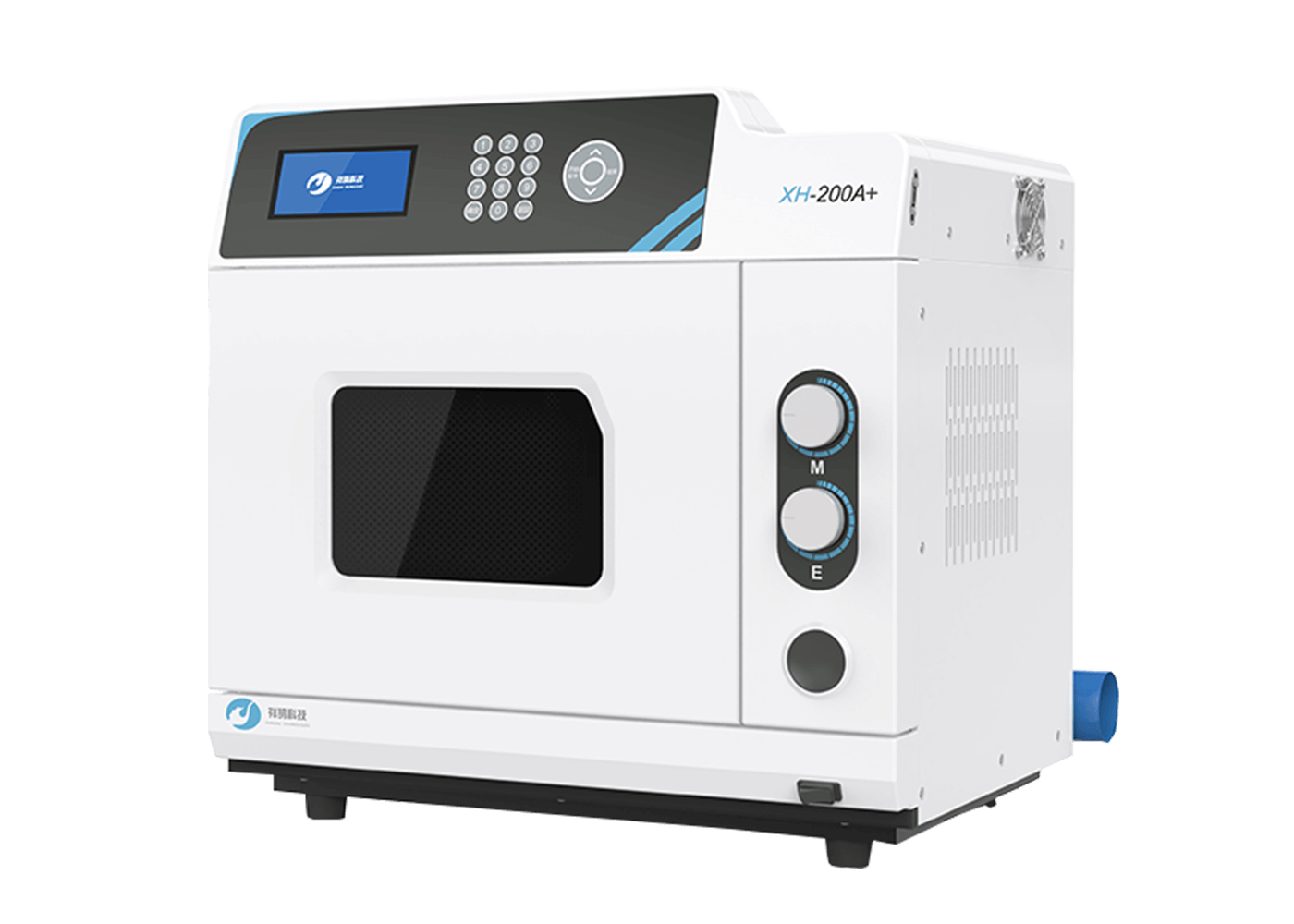
- Equipment: XH-200A / XH-200C
- Source: Construction and Building Materials, 2014
- Research direction: Bamboo
- Core conditions: Temperature 100°C / 110°C, Pressure 25 MPa, and Time 5 h / 12 h / 10 min
- Key results: Microwave-cured sample shear strength 18.35 MPa, Microwave-cured sample shear strength 4-fold, Microwave-cured bamboo shear strength 18.35 MPa, and Shear strength of heat-cured sample 4.6 MPa
Research Abstract
Effect of microwave-assisted curing on bamboo glue strength: Bonded by thermosetting phenolic resin was published in Construction and Building Materials (2014) and is indexed as a Xianghu Q1 application case for XH-200A / XH-200C. The source record connects it with Bamboo. Core operating conditions include Temperature 100°C / 110°C, Pressure 25 MPa, and Time 5 h / 12 h / 10 min. Key reported results include Microwave-cured sample shear strength 18.35 MPa, Microwave-cured sample shear strength 4-fold, Microwave-cured bamboo shear strength 18.35 MPa, and Shear strength of heat-cured sample 4.6 MPa.
Research Background and Problem
Equipment Use and Experimental Conditions
| Item | Parameter |
|---|---|
| Temperature | 100°C / 110°C |
| Pressure | 25 MPa |
| Time | 5 h / 12 h / 10 min |
Key Result
| Metric | Result |
|---|---|
| Microwave-cured sample shear strength | 18.35 MPa |
| Microwave-cured sample shear strength | 4-fold |
| Shear strength of heat-cured sample | 4.6 MPa |
Evidence Details
Microwave-method evidence: source values include 100°C, 5 min, 7.5 min, 10 min, 15 min, 20 min.
Microwave-method evidence: source values include 80°C, 90°C, 100°C, 110°C, 15 min.
Curing degree results showed that microwave was a fast and efficient curing method, which could reduce curing time by 50%. Bamboo compression shear strength results indicated that the sample cured at 100 °C for 10 min would reach its optimum mechanical performance. Higher curing temperature (110 °C) caused carbonization in bamboo, which would weaken mechanic...
The preliminary experiment results indicate that microwave can improve the efficiency of phenolic resin curing. As shown in Fig. 2, curing time can be reduced by about 50% by microwave method. For example, after 15 min microwave curing, the curing degree of phenolic resin is 94.2%. However, it will take 30 min for thermal curing to get production with simila...
Microwave-method evidence: source values include 50%, 4fold, 100°C.
Time: 5 h / 12 h / 10 min
Additional source evidence: source values include 120°C, 30 min.
Additional source evidence: source values include 30 min, 93.8%.
Then the curing samples were divided into two groups: one group was cured by microwave oven (XH-200A, Xianghu Technology Development Co., Ltd., using IR temperature measurement technology), and the other group was cured by thermal oven.
Mechanism / Method Highlights
- Method context: Temperature 100°C / 110°C, Pressure 25 MPa, and Time 5 h / 12 h / 10 min.
- Microwave-method evidence: source values include 100°C, 5 min, 7.5 min, 10 min, 15 min, 20 min
- Microwave-method evidence: source values include 80°C, 90°C, 100°C, 110°C, 15 min
- Additional source evidence: Curing degree results showed that microwave was a fast and efficient curing method, which could reduce curing time by 50%. Bamboo compression shear strength results indicated that the sample cured at 100 °C for 10 min would reach its optimum mechanical performance. Higher curing temperature (110 °C) caused carbonization in bamboo, which would weaken mechanic
- Reported outcome: Microwave-cured sample shear strength 18.35 MPa, Microwave-cured sample shear strength 4-fold, Microwave-cured bamboo shear strength 18.35 MPa, and Shear strength of heat-cured sample 4.6 MPa.
Application Value
- Provides a peer-reviewed SoarNova / Xianghu Q1 application case for XH-200A / XH-200C.
- Supports English discovery around Bamboo.
- Preserves quantitative result evidence: Microwave-cured sample shear strength 18.35 MPa, Microwave-cured sample shear strength 4-fold, Microwave-cured bamboo shear strength 18.35 MPa, and Shear strength of heat-cured sample 4.6 MPa.
- Maintains source-level evidence details: Microwave-method evidence: source values include 100°C, 5 min, 7.5 min, 10 min, 15 min, 20 min, Microwave-method evidence: source values include 80°C, 90°C, 100°C, 110°C, 15 min, Additional source evidence: Curing degree results showed that microwave was a fast and efficient curing method, which could reduce curing time by 50%. Bamboo compression shear strength results indicated that the sample cured at 100 °C for 10 min would reach its optimum mechanical performance. Higher curing temperature (110 °C) caused carbonization in bamboo, which would weaken mechanic, and Additional source evidence: The preliminary experiment results indicate that microwave can improve the efficiency of phenolic resin curing. As shown in Fig. 2, curing time can be reduced by about 50% by microwave method. For example, after 15 min microwave curing, the curing degree of phenolic resin is 94.2%. However, it will take 30 min for thermal curing to get production with simila.
Related Equipment
FAQ
Which Xianghu instrument is covered by this page?
What is the main application direction?
Which publication does this case come from?
Effect of microwave-assisted curing on bamboo glue strength: Bonded by thermosetting phenolic resin
Construction and Building Materials, 2014
DOI: 10.1016/j.conbuildmat.2014.07.014